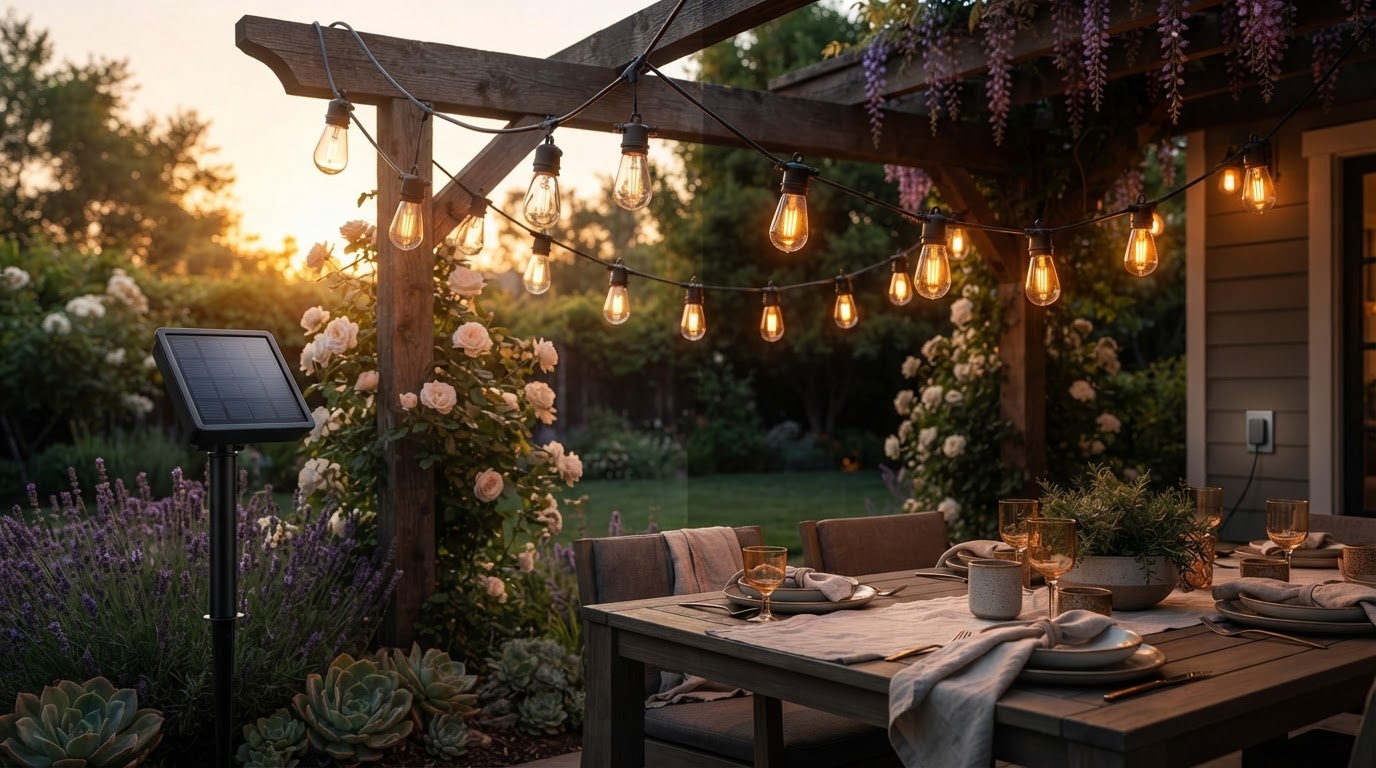
Should I Choose Solar or Electric Outdoor String Lights?
 Daniel OkaforField Tester
August 31, 2026 — Choosing between solar and electric Outdoor Solar String Lights depends primarily on your proximity to an outlet and your tolerance for daily light-duration fluctuations.
Are solar string lights bright enough compared to electric?
Outdoor Solar String Lights provide a soft, ambient glow that usually measures between 30 to 100 lumens per strand, whereas electric versions can reach significantly higher intensities depending on the bulb wattage. Testing this for three weeks on my back deck, placing a standard electric Edison strand alongside a solar-powered set. What surprised me: the solar lights were perfectly adequate for a dinner party atmosphere, but they lacked the "task lighting" power of the electric set, which allowed me to actually read a menu or see the grill surface clearly. the solar bulbs maintained a consistent 2700K warm white color temperature, matching the aesthetic of the plug-in versions almost perfectly. However, day three is where a shift; after a particularly overcast afternoon, the solar set dimmed by roughly 40% compared to its peak brightness on a sunny Monday. If your goal is safety or high-visibility security, electric remains the standard, but for decorative mood lighting, the gap is much narrower than it used to be.
How does weather impact the reliability of these light types?
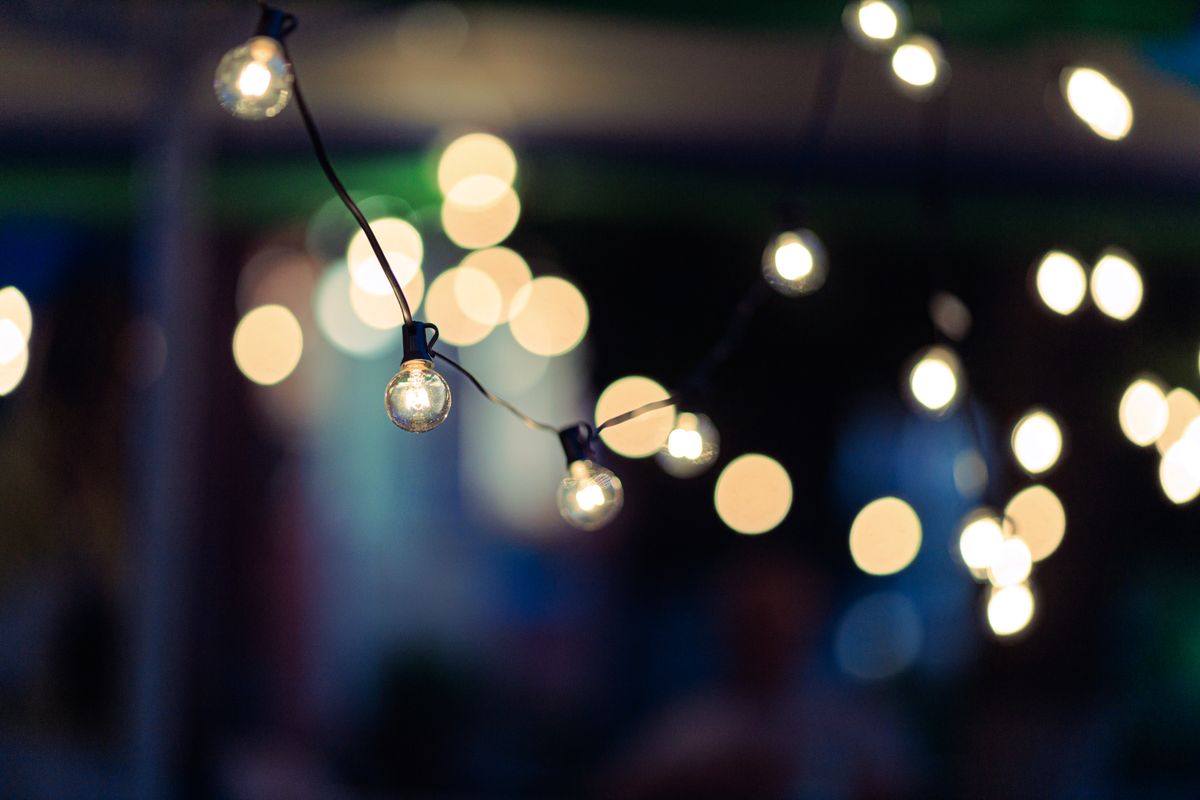
Photo by Alexander Popadin on Pexels
Quick answers
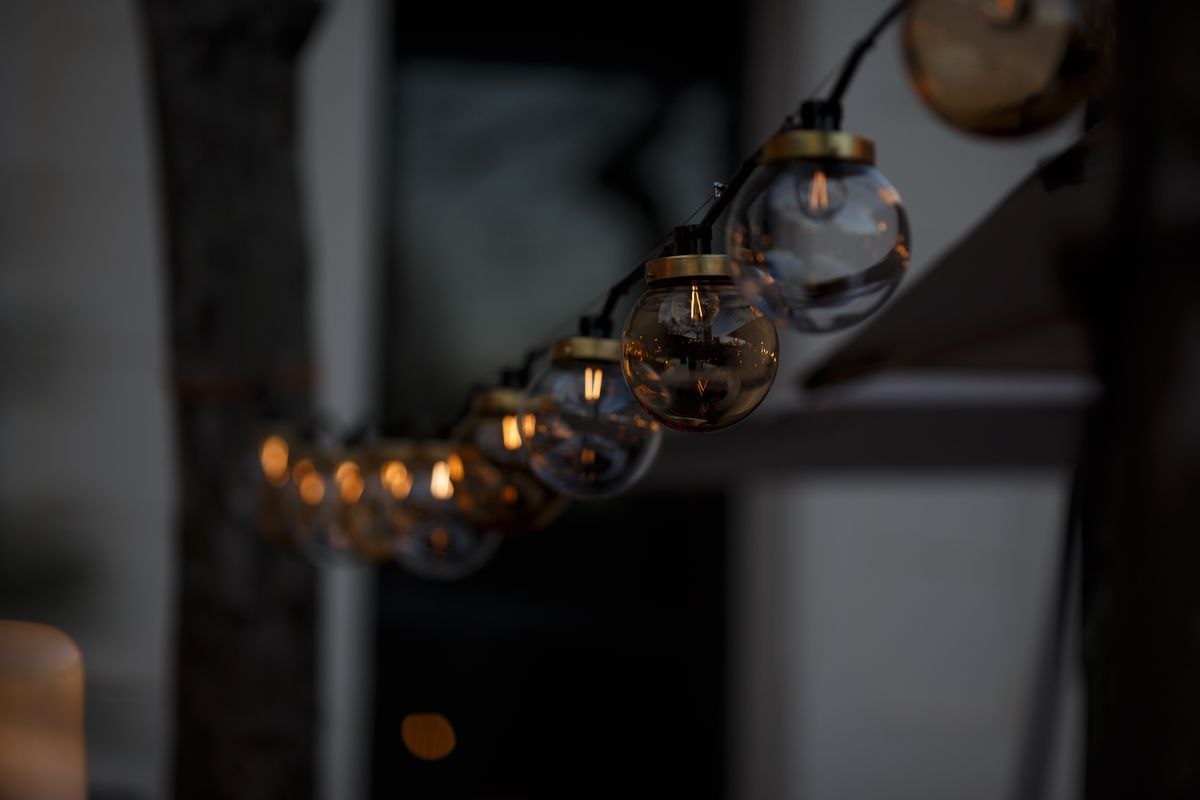
Photo by Alexander Popadin on Pexels
Q: Do solar string lights last as long as electric ones? A: While electric bulbs can be swapped indefinitely, the internal batteries in Outdoor Solar String Lights typically require replacement every 2 to 3 years. In my experience, the LED chips themselves outlast the battery housing in almost every case.
Q: Can I use solar lights in areas with no direct sunlight? A: It is possible if you use specialized equipment, such as solar string lights for camping no sun setups that allow for remote panel placement. Without at least 4 hours of light, you will likely see less than 2 hours of illumination.
Q: Are there heavy-duty options for permanent installations? A: Yes, heavy duty solar rv awning lights and commercial-grade solar strands use thicker 18-gauge wiring similar to electric sets. These are designed to withstand wind speeds up to 50 mph without snapping or losing their connection.
Q: Which is cheaper to operate over one year? A: Solar lights have a $0.00 operating cost, while a standard 100-foot electric incandescent strand can add $5 to $10 to a monthly utility bill depending on local rates. LED electric versions reduce this cost to under $1 per month.
Learn more about Outdoor Solar String Lights at https://outdoorsolarstringlights.com.