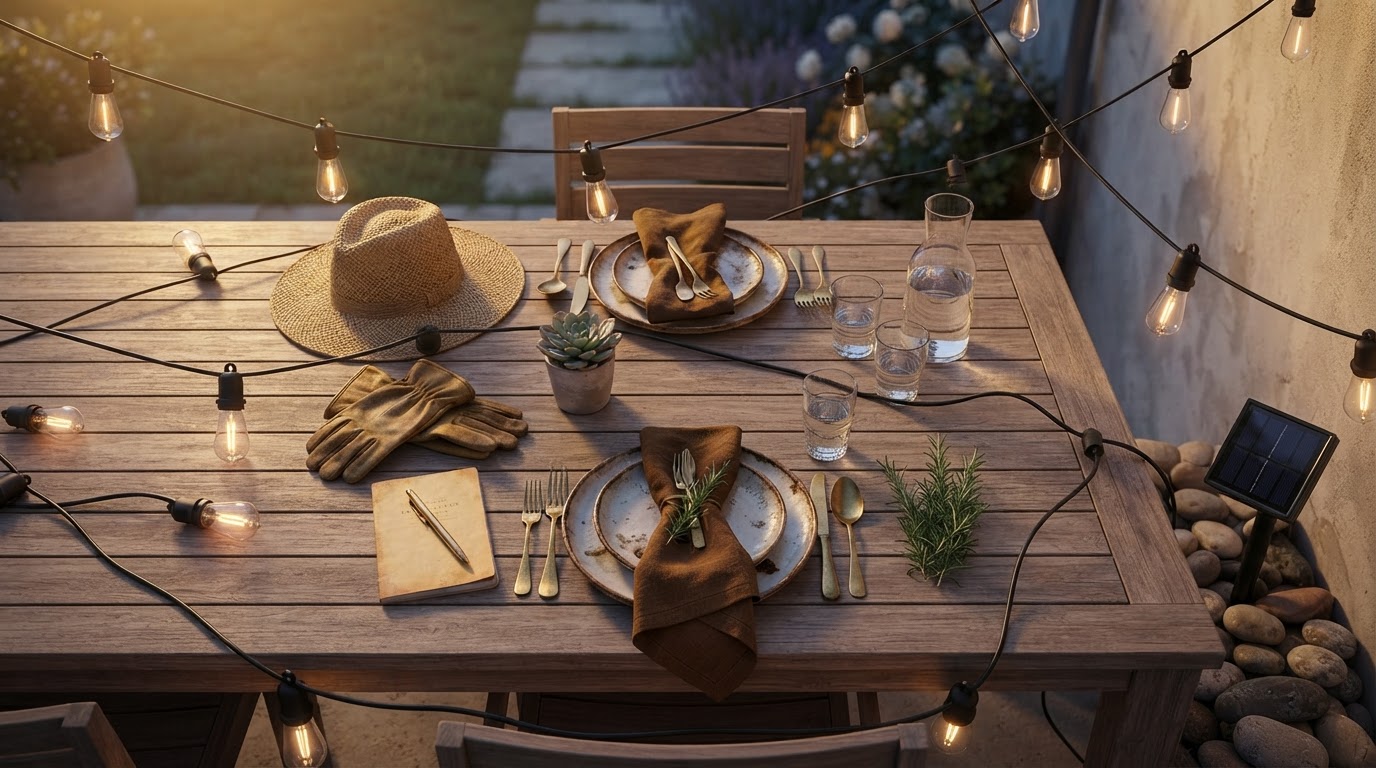
Outdoor Solar String Lights for Backyard Dining Areas
 Maya ChenContributing Editor
August 17, 2026. This analysis evaluates the technical viability of high-output solar illumination for residential backyard dining spaces. It is written for homeowners seeking to replace high-voltage halogen setups with autonomous, weather-resistant alternatives.
The Limitations of Traditional Backyard Illumination
The conventional wisdom says that to achieve a professional-grade cafe atmosphere, a homeowner must commit to the labor-intensive process of burying conduits or hiring an electrician for hardwired installs. This bias toward AC-powered systems ignores the significant advancements in photovoltaic efficiency and battery density seen over the last twenty-four months. Most consumers are steered toward low-cost, disposable fairy lights that fail within a single season due to poor ingress protection. According to SolarReviews, many budget-tier solar globe string lights are limited by short string lengths and low brightness levels, which often fail to provide functional task lighting for outdoor dining. The problem is not the technology itself, but the application of under-specced hardware to high-traffic social zones. When evaluating outdoor solar string lights, the focus must shift from mere decoration to consistent lumen output. Standard incandescent bulbs consume roughly 10 watts each; achieving that same visual warmth without the electrical draw requires a specific configuration of LED filaments and lithium-ion storage that many entry-level products simply do not possess. For those managing larger properties, the challenge is compounded by the need for best solar string lights for backyard applications that can span 50 feet or more without significant voltage drop or dimming toward the end of the run.
Technical Advantages of Outdoor Solar String Lights
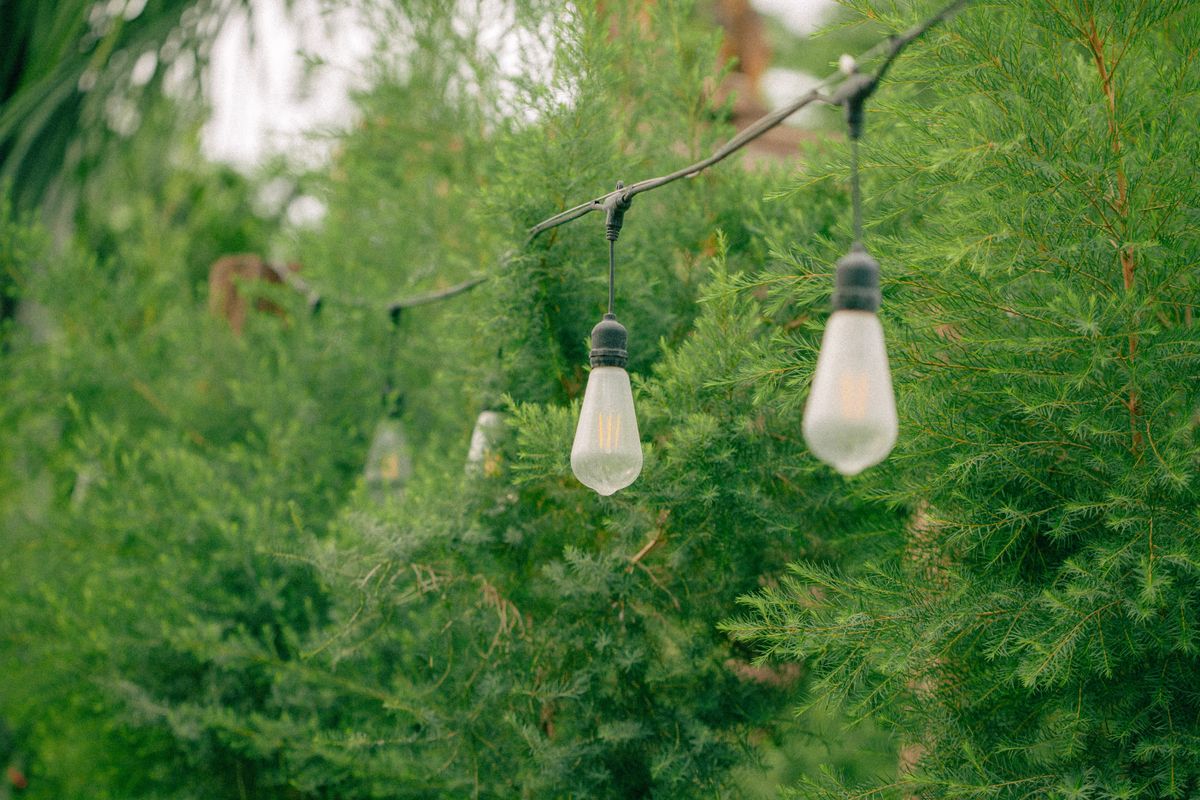
Outdoor Solar String Lights address the durability gap by utilizing commercial-grade materials that were previously reserved for permanent commercial installations. The integration of WeatherTite cable technology, as noted by Brightech, ensures that the internal wiring remains shielded from moisture and UV degradation, which are the primary causes of electrical failure in backyard settings. Here's the part nobody talks about: the physical bulb housing is just as critical as the solar panel. Modern solar edison bulbs for outdoor use now utilize shatterproof polycarbonate rather than glass. This is a non-negotiable requirement for backyard cafe environments where wind-driven movement against fences or trees is inevitable. These systems rely on high-capacity monocrystalline panels to charge internal batteries, providing a steady power source for warm white solar cafe lights that maintain color temperature consistency across the entire string. By utilizing 2700K to 3000K LED filaments, these lights replicate the vintage aesthetic of 40-watt tungsten bulbs while drawing only a fraction of the energy. The efficiency of these units allows for extended run times, often exceeding 6 to 8 hours on a single charge, which covers the peak usage window for backyard entertaining. Furthermore, the inclusion of heavy-duty hanging loops allows for secure tensioning over open spans, a feature often missing from decorative-only outdoor solar string lights that are designed for light draping rather than structural suspension.
Criteria for Selecting Backyard Cafe Lighting
Run the math: a 50-foot string requires a specific battery capacity to maintain illumination until midnight. If the solar collector is undersized relative to the number of bulbs, the system will inevitably fail by mid-evening. When selecting hardware for a permanent backyard setup, the decision should be driven by build quality and specific environmental ratings rather than price point alone. According to Volt Lighting, solar powered bistro lights designed for permanent use are ideal for hanging and draping between trees or under canopies, provided they feature the necessary structural reinforcement to handle the weight of the cable over time. I'll change my mind when a cheaper, thin-gauge wire product can survive a full winter season without corrosion at the socket interface, but until then, the following technical checklist remains the standard for long-term backyard performance:
- Panel Wattage and Battery Chemistry: Ensure the solar collector is monocrystalline and paired with a 3.7V lithium-ion battery for faster charging and longer discharge cycles.
- IP65 Weatherproofing: Verify that the sockets are molded directly to the cable to prevent water ingress during heavy rain or snow.
- Shatterproof Polycarbonate Bulbs: Avoid glass in backyard areas where wind or debris can cause breakage.
- Total String Length and Bulb Spacing: Calculate the necessary span for warm white solar cafe lights to ensure adequate coverage without excessive slack.
- Replaceable Components: Prioritize systems where individual bulbs or panels can be replaced without discarding the entire string.
- Automatic Ambient Sensors: The unit must include a reliable photocell to trigger illumination at dusk without manual intervention.
Sources
Photo by Kirill Moiseev on Pexels
- Ambience Pro Solar Non Hanging | WeatherTite Cable
- [The 5 Best Solar String Lights Reviewed [2026]](https://www.solarreviews.com/blog/top-solar-string-lights)
- Solar Bistro String Lights (50ft Length)