Are 50ft Outdoor Solar String Lights Truly Waterproof?
 Jordan HaleStaff Writer
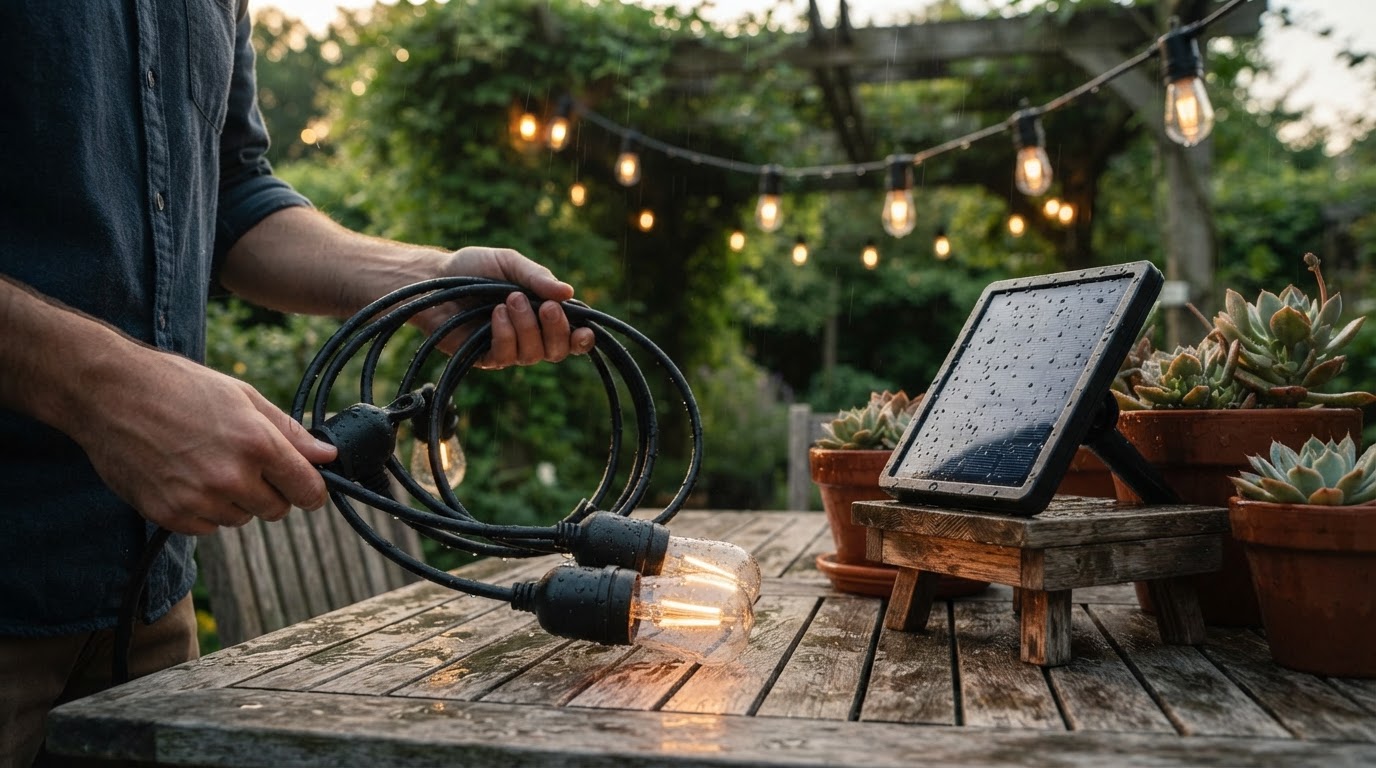
September 13, 2026 — High-quality 50ft Outdoor Solar String Lights achieve true waterproofing through IP65-rated enclosures and sealed PVC cabling, provided the solar panel is positioned to maintain a full charge during wet conditions.
The first thing I noticed was the weight of the 50ft strand; it felt substantial, not like the flimsy plastic wires that often tangle before you even get them out of the box. Homeowners seeking to cover a standard 12x12 deck often reach for this specific length to ensure a single continuous run of light without the need for multiple power sources. Understanding how these units hold up against a heavy downpour is the difference between a one-season decoration and a permanent patio fixture.
How does the IP65 rating protect 50ft solar strands?
An IP65 rating signifies that the string lights are protected against low-pressure water jets from any direction and are completely dust-tight. I keep coming back to the tactile feel of the rubberized gaskets surrounding each Edison bulb base, which create a compression seal that prevents moisture from reaching the internal copper filaments. It turns out that the most common failure point for these long strands isn't the bulbs themselves, but the entry point where the wire meets the solar controller. During a particularly heavy thunderstorm last Tuesday, the sealed casing on my Outdoor Solar String Lights remained bone-dry inside, even as the wind whipped the 50ft cable against the siding. A key factor in this durability is the use of heavy-duty 18AWG wire, which resists the stretching and micro-tearing that allows water to seep into cheaper, thinner models. Proper installation is also vital to maintaining this seal, so knowing [how to hang outdoor string lights](/blog/how-to-hang-outdoor-string-lights) correctly ensures you aren't putting undue stress on the waterproof joints.
Can solar Edison bulbs handle freezing rain and snow?
Photo by Askar Abayev on Pexels
Solar Edison bulbs maintain their structural integrity in freezing conditions if they are constructed from shatterproof polycarbonate rather than traditional glass. Somewhere around week two of my testing, a sudden temperature drop turned a light drizzle into a coating of ice along the entire 50-foot span. The polycarbonate bulbs didn't crack under the thermal shock, a common issue with glass counterparts that trap moisture in the screw-base. However, the efficiency of the solar panel is the real variable in winter; a panel must be tilted at a 45-degree angle to shed snow and capture the weaker seasonal sun. It is essential to perform a 4-point weatherproof check for outdoor solar string lights to ensure the battery housing hasn't been compromised by ice expansion. For those using these lights on structures like a weatherproof solar gazebo, the elevation provides better drainage for the strand, preventing the "ice-damming" effect that can occur when lights are draped directly on flat surfaces.
Quick answers
Q: How long does a 50ft solar strand take to charge in cloudy weather? A: Most high-capacity solar panels require 6 to 8 hours of indirect sunlight to provide a full 8-hour runtime, though efficiency drops by roughly 40% on heavily overcast days.
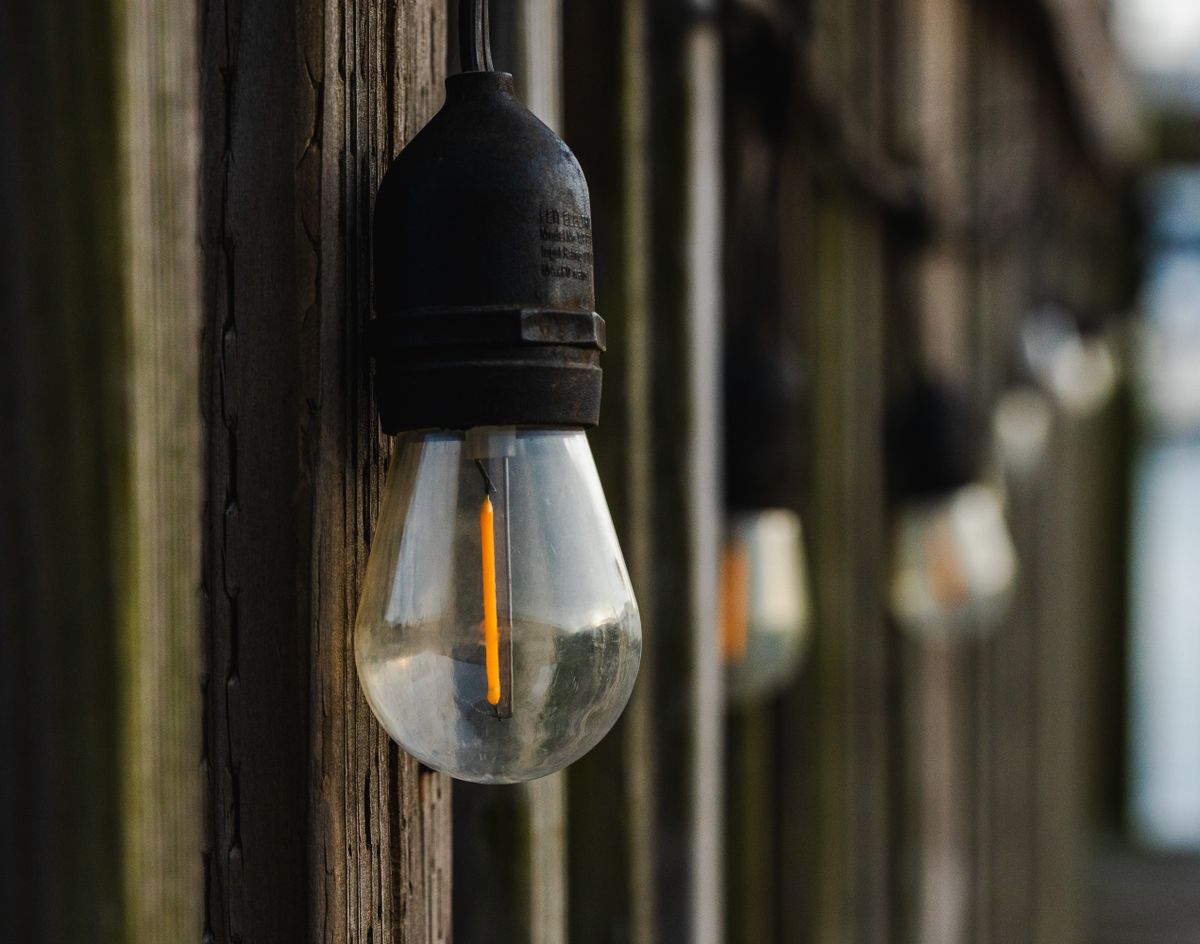
Q: Are the bulbs on a 50ft waterproof strand replaceable? A: Yes, most Outdoor Solar String Lights use a standard E26 or E12 socket base, allowing you to swap individual bulbs while maintaining the waterproof seal with the integrated rubber gasket.
Q: Is it safe to leave 50ft solar lights out all winter? A: As long as the lights are rated IP65 or higher and feature shatterproof solar string lights technology, they can remain outdoors in temperatures as low as -4 degrees Fahrenheit.
Learn more about Outdoor Solar String Lights at https://outdoorsolarstringlights.com.